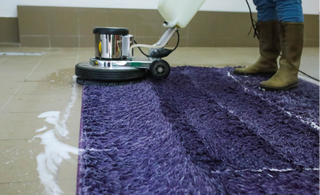
Understanding Why Vacuuming Does Not Remove Every Type of Soiling
Regular vacuuming is one of the most important parts of carpet care. It removes loose dust, hair, crumbs and other dry debris before these materials settle more deeply into the pile. However, even a carpet that is vacuumed frequently can begin to look dull, marked or uneven.
This happens because vacuum cleaners are primarily designed to collect loose particles. They cannot always remove oily residues, compacted soil, dried spills or substances attached to individual fibres. For households in Haywards Heath, Sussex, understanding the cause of a carpet’s appearance can help determine whether improved routine care or professional cleaning is required.
Soil Has Settled Deep Within the Carpet
Foot traffic gradually pushes fine particles beneath the visible surface. Sand, grit and dried soil can work their way between the fibres and become difficult for ordinary vacuuming to lift.
A vacuum may remove material from the top of the pile while deeper contamination remains. As people continue walking across the carpet, some of this soil can return to the surface and make it appear dirty again soon after cleaning.
Slow, overlapping vacuum passes can improve dry soil removal, but deeply embedded particles may require professional extraction.
Oily Residues Are Holding Dirt in Place
Not all carpet contamination is dry. Cooking vapours, skin oils, outdoor pollution and residues carried on footwear can settle onto the fibres. These substances may create a slightly sticky layer that attracts and retains dust.
Vacuuming alone cannot dissolve this film. It may collect loose debris while leaving the bonded soil untouched. The carpet can therefore look grey or dull even though very little visible dirt enters the vacuum cleaner.
A suitable professional cleaning method can loosen these residues so that they can be removed more effectively.
Traffic Lanes Have Developed
Hallways, entrances, stairs and routes between furniture receive more use than other areas. Repeated pressure pushes soil deeper into the carpet and gradually changes the direction of the pile.
This produces visible traffic lanes that may appear darker than the surrounding surface. Vacuuming can lift some loose debris, but it may not correct compacted fibres or remove firmly attached soil.
If the difference is caused mainly by soiling, professional cleaning may improve the appearance considerably. Where fibres have suffered permanent wear, cleaning can remove contamination but cannot fully reverse the physical change.
Old Spills Have Left Residues
A spill may appear to have been removed while leaving a small amount of residue behind. Some household products, drinks and improvised cleaning solutions can dry within the carpet and attract new dirt.
This is one reason a previously treated patch may become darker over time. The mark is not necessarily the original spill returning; new soil may be sticking to what remains in the fibres.
Further surface treatment can make the problem worse if additional product is applied without thorough rinsing and extraction.
Too Much Cleaning Product Has Been Used
Using more detergent does not always produce a cleaner carpet. If the product is not removed completely, it can leave a sticky residue that collects soil quickly.
Signs of detergent build-up may include:
- A patch becoming dirty soon after treatment
- Fibres feeling stiff or slightly tacky
- Repeated foaming when the area becomes damp
- A visible outline around the cleaned section
- Dirt accumulating unevenly across the carpet
Professional cleaning can include controlled rinsing and extraction to remove both the soil and the remaining cleaning agent.
The Vacuum Cleaner May Not Be Working Effectively
Even frequent vacuuming will have limited value if the machine is not operating correctly. Reduced suction, a blocked hose, a full bag or container, worn brushes and dirty filters can all affect performance.
The height setting also matters. If the cleaning head sits too high, it may not agitate the pile sufficiently. If it sits too low, airflow can be restricted and the machine may become difficult to move.
Before assuming that the carpet needs deeper cleaning, check that:
- Filters are clean
- Hoses and airways are clear
- The bag or container is not overfilled
- Brushes can rotate freely
- The cleaning head suits the carpet
- Vacuum passes are slow and overlapping
These checks can improve the removal of everyday dry debris.
Carpet Pile Can Create Dark and Light Areas
A carpet does not always look dirty because it contains soil. Changes in pile direction can alter how light reflects from the fibres, making one section appear darker.
Foot traffic, furniture movement and repeated vacuuming in the same direction can all affect the pile. Brushing or vacuuming from another angle may change the appearance temporarily.
Professional assessment is useful because pile shading, wear and actual contamination require different responses. Cleaning will not permanently correct natural shading or fibre distortion.
Furniture Has Concealed the Original Colour
When furniture is moved, the protected carpet underneath often appears brighter than the exposed area. This contrast can make the rest of the room look particularly dirty.
Some of the difference may be removable soil, but gradual colour change and fibre wear can also contribute. Professional cleaning can improve consistency by treating the entire usable area, although it cannot reverse permanent fading.
Fine Dust Is Returning From the Surrounding Room
Dust can settle back onto a carpet after vacuuming, especially where nearby surfaces, soft furnishings or renovation work are producing fine particles. Open windows and regular foot traffic may also introduce new debris.
Vacuuming the carpet without addressing the wider room can result in rapid resoiling. Cleaning hard surfaces, upholstery edges, skirting boards and areas beneath furniture can help reduce the amount of dust returning to the pile.
Why Professional Carpet Cleaning Can Help
Professional carpet cleaning performs a different role from routine vacuuming. It can loosen and extract substances that are bonded to fibres or embedded below the surface.
Before cleaning, the carpet should be assessed for:
- Fibre type and construction
- Depth and pattern of soiling
- Existing stains and residues
- Colourfastness
- Pile distortion or permanent wear
- Previous cleaning treatments
- Areas requiring focused attention
This allows the correct method to be selected and creates realistic expectations about which changes are removable.
Conclusion
Carpets can continue to look dirty after regular vacuuming because loose dust is only one part of the problem. Embedded grit, oily residues, old spills, detergent build-up and compacted traffic lanes may all require deeper treatment. Some dark areas may instead result from shading, wear or fading.
If your carpets in Haywards Heath still appear dull or marked despite consistent vacuuming, K&S Carpet Cleaning Haywards Heath can assess their condition and recommend an appropriate cleaning method. A professional assessment helps distinguish removable soiling from permanent changes without suggesting unnecessary treatment.
Call us on: 01444 223 694
Click here to find out more about K&S Carpet Cleaning Haywards Heath
Click here to complete our contact form and see how we can help with your carpet needs.